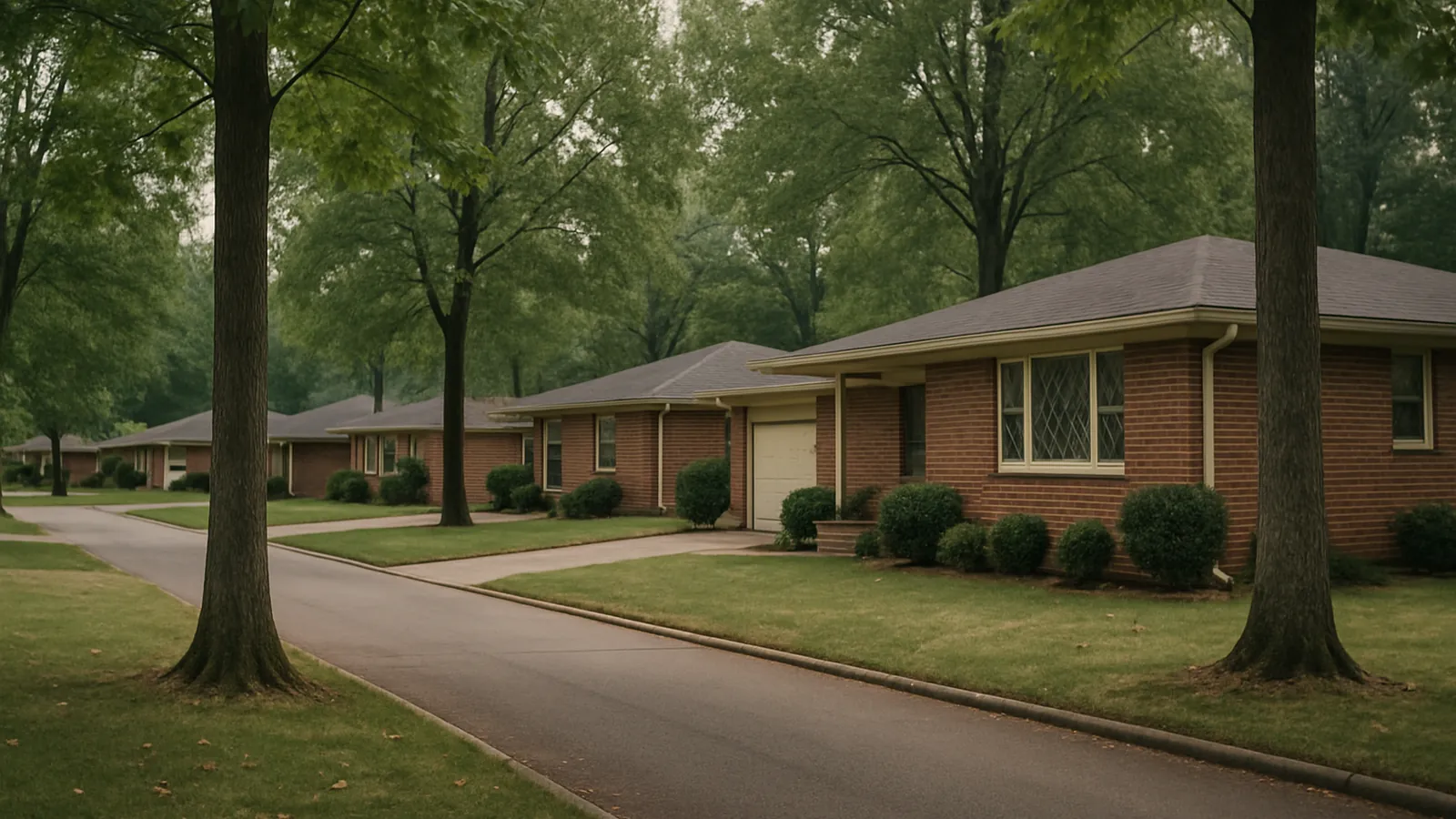
Mold removal in Signal Mountain costs $1,500–$6,000 for most remediation and $2,500–$9,000 in a crawl space. Cool air settles into this valley and sits, so surfaces dry slowly. The free inspection includes surface temperature and dew point readings.
Fog is rain that never falls
Homes up here spend a meaningful number of days each year in direct contact with cloud. That does not register as precipitation and it does not show up in a rainfall figure, but for the exterior of a building it functions similarly: surfaces stay wet, and they stay wet for long stretches rather than drying between events.
Combine that with heavy hardwood canopy and north-facing elevations and you get exterior surfaces that are damp far more often than the annual rain total suggests. Siding, north roof slopes, decks, and the shaded faces of foundation walls all hold moisture longer than their counterparts down in the valley.
Different mechanism, same inspection
Elevation changes the reason a surface is wet. It does not change what wet surfaces do. So the measurements are the same ones we take anywhere in the metro — surface temperature against dew point, moisture content in materials — and the conclusions are frequently different.
Basements and lower levels built into rock are worth particular attention up here, since they combine cool surfaces with limited air movement. If your lower level smells different from the rest of the house, that is the reading worth taking first. See what remediation involves if something is found.
Asked in Signal Mountain
How much does mold removal cost on Signal Mountain?
Remediation runs $1,500-$6,000, with lower-level and basement work sometimes higher because access and drying are harder. Exterior surfaces up here stay wet from cloud contact rather than rainfall, which changes the diagnosis more than it changes the price. The inspection is free.
Does being up on the mountain help?
It changes the mechanism rather than removing it. You are out of the valley air that settles below, but the mountain spends real time inside cloud, so exterior surfaces stay wet without rain falling. Different reason, similar result, and the readings are what sort it out.
My lower level smells different from the rest of the house. Why?
Lower levels built into rock combine cool surfaces with limited air movement, which is the standard recipe for condensation. That smell is usually the first reliable signal, and it is worth taking a surface temperature reading down there before assuming it is just how basements smell.
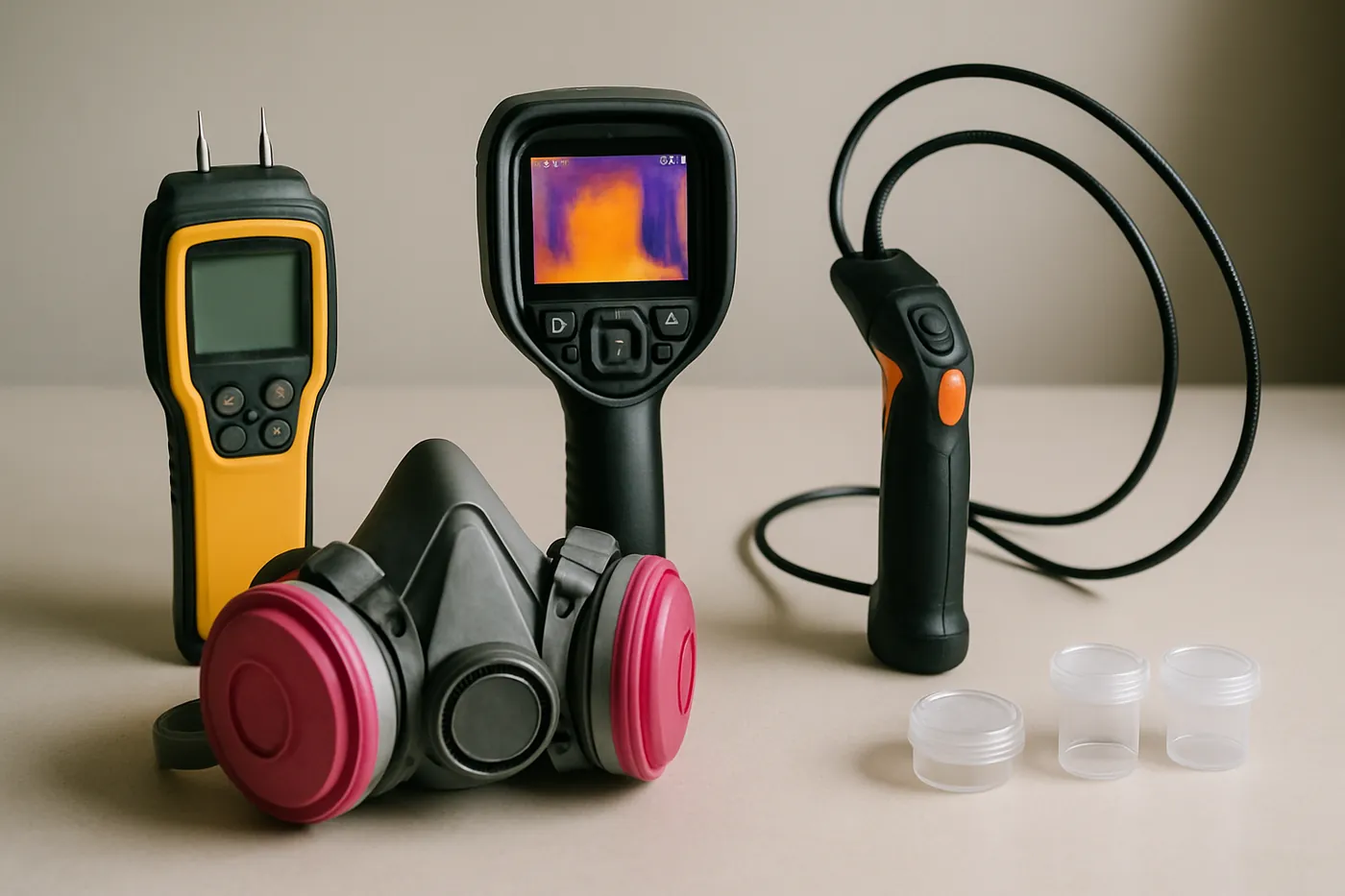
What a Signal Mountain mold inspection includes
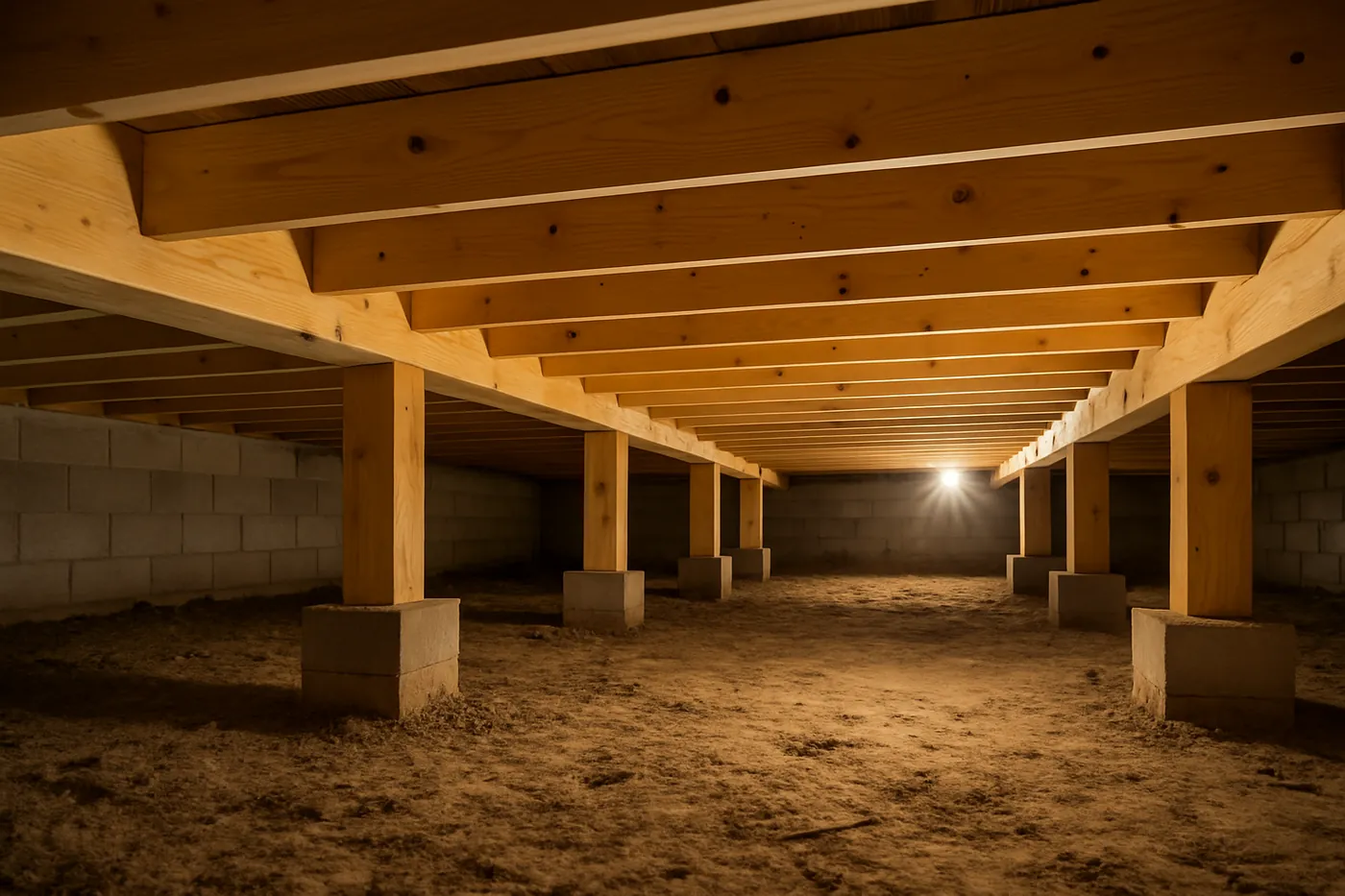
Surface temperature and dew point at the locations that matter, moisture content in affected materials, a crawl space entry that reaches the far wall, an attic look, photographs, and a written scope naming the water source. The readings are yours either way.
Get a free Chattanooga mold inspection
Tell us what you are seeing or smelling — dark spots on a cold exterior wall, a musty smell in one room, condensation on a window frame that never dries, staining in a closet on the north side. The visit includes surface temperature readings and a trip under the house. You will hear back before the end of the next business day.