A mold removal inspection in Chattanooga is free with us; independent third-party testing runs $300–$800. The measurement that matters here is surface temperature against dew point — a surface colder than the dew point of the air touching it gets wet with no leak involved.
What an inspection produces, when testing is worth paying for, and what belongs in the written report.
Two numbers, one comparison
Dew point is the temperature at which the moisture already in the air condenses out of it. Every room has one. Every surface has its own temperature. Where a surface runs colder than the dew point of the air against it, that surface gets wet — repeatedly, invisibly, without a pipe or a roof being involved at all.
In a valley where humid air settles and lingers, that comparison explains most of what we find. It is also predictive in a way that looking for stains is not: it identifies the closet, the north wall, the uphill crawl corner that will grow something next winter, before it has. That is the argument for measuring rather than inspecting visually.
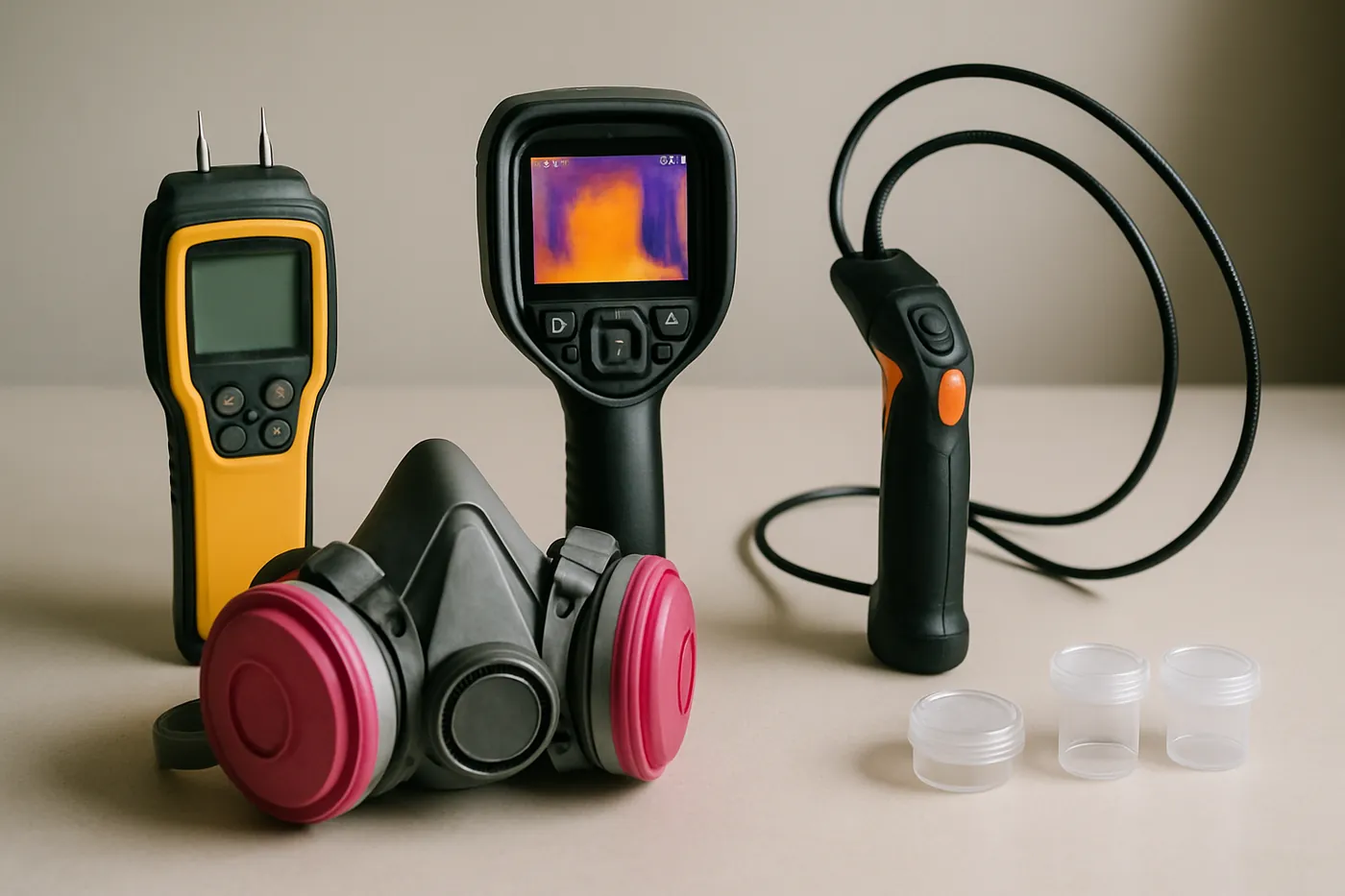
What the free inspection produces
- Surface temperature and dew point readings at the locations that matter, with a map
- Moisture content in affected materials, recorded as numbers you keep
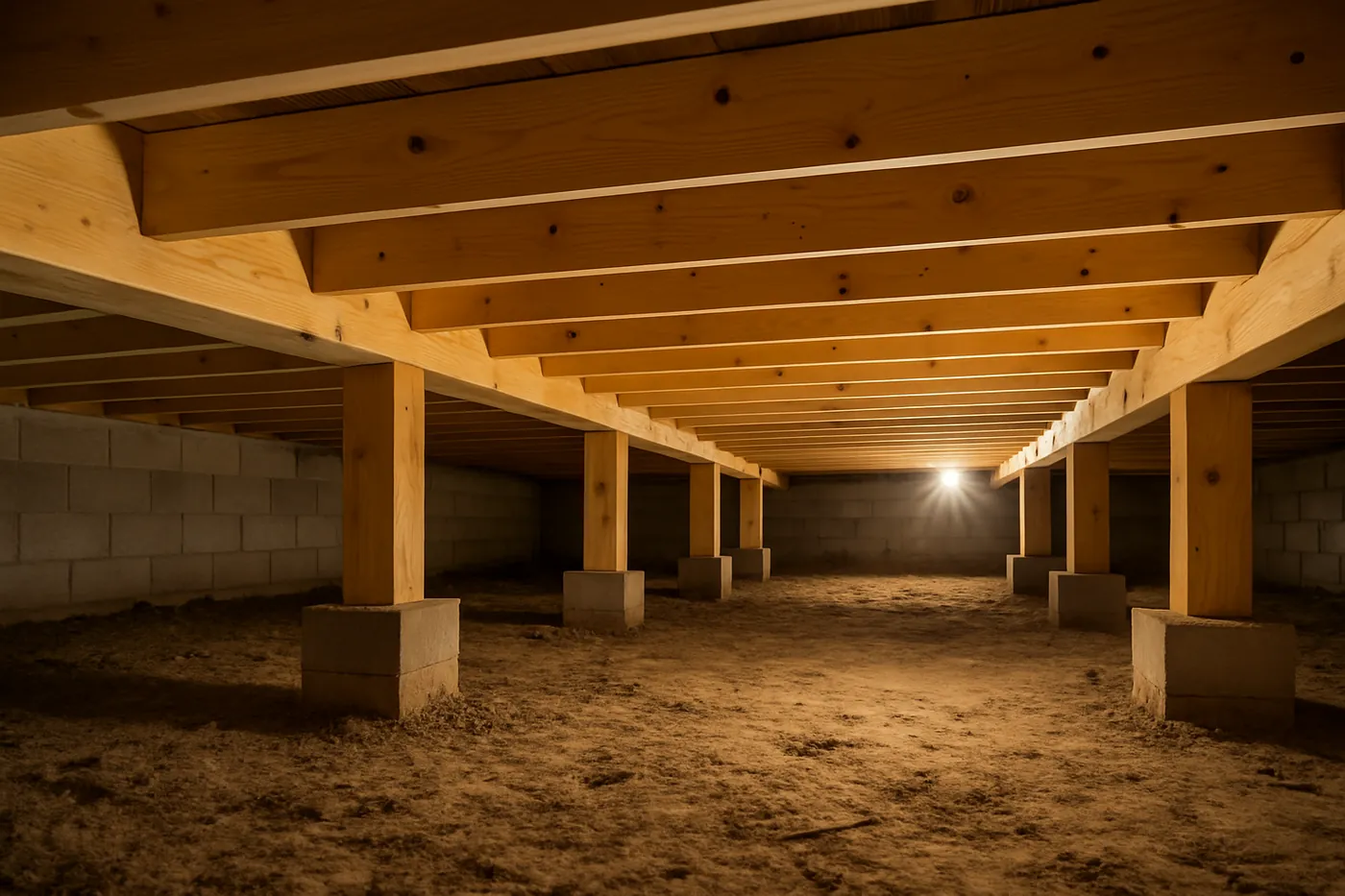
- A crawl space entry that reaches the far uphill wall, not just the hatch
- An attic look including where bath fans actually terminate
- Photographs of everything reported
- A written scope naming the water source, the standard, and a price per line
When testing earns its cost
| Situation | Testing worth it? | Why |
|---|---|---|
| Visible growth, obvious source | Usually no | Remediation is the same regardless of species |
| Smell with nothing visible | Yes | Sampling can support a search when inspection comes up empty |
| Health concern raised by a physician | Yes | Documentation belongs in that conversation |
| Dispute with a seller, landlord, or insurer | Yes, independently | You want a party with no stake in the remediation invoice |
| Verifying completed work | Sometimes | Post-remediation verification is a reasonable ask on a large job |
| Pre-purchase, house looks fine | Inspection first | Readings tell you more per dollar than a spore count |
What no test can tell you
There is no legal threshold for indoor mold in Tennessee or Georgia, and no number a lab can return that means “safe” or “unsafe” in a regulatory sense. Anyone presenting a spore count as though it crosses an official line is describing something that does not exist.
What a sample can do is compare one area to another, or to outdoors, and support a conclusion you had a reason to investigate. That is genuinely useful. It is just not the same as a verdict, and a company that sells testing as though it were should be read carefully.
Reading a report you already have
If somebody has already inspected your house, check the report for four things: dated readings with locations, photographs, a sentence identifying what kept the surface wet, and the standard the proposed work will follow. Reports carrying all four can be compared to each other. Reports carrying a total and a species name cannot be compared to anything.
Bring us one and we will read it against our own readings and say plainly where we agree. Pricing is in the cost guide.
What homeowners ask about inspections
What does a mold inspection cost in Chattanooga?
Ours is free, including surface temperature and dew point readings, moisture content in affected materials, and a written scope. Paid third-party air or surface sampling generally runs $300-$800 through an independent hygienist, and there are cases where paying for that independence is the right call.
Do I need testing, or just an inspection?
Most homeowners need an inspection. Testing tells you what species are present and in what concentration; it rarely changes what has to be done, because visible growth is remediated the same way regardless of what it is. Testing earns its cost in disputes, in unexplained symptoms, and where nothing visible has been found.
What is dew point and why do you measure it?
Dew point is the temperature at which the air's moisture condenses. Measure a surface colder than the dew point of the air touching it and you have found a place that will get wet without any leak at all. In a valley where humid air lingers, that single comparison explains most of the growth we see.
Should the company that tests also do the removal?
Where the stakes are high - a dispute, a sale, a health concern, a large loss - hire an independent hygienist so the party defining the problem is not the party billing for the solution. For ordinary visible growth with an obvious source, that separation adds cost without adding much information.
What should the written report contain?
The readings with locations and dates, photographs, the extent of affected material, a plain statement of what kept the surface wet, the standard the work will follow, and line pricing. If it names a price but not a water source, it is a quote rather than a diagnosis - and you cannot compare it to anything.
Get a free Chattanooga mold inspection
Tell us what you are seeing or smelling — dark spots on a cold exterior wall, a musty smell in one room, condensation on a window frame that never dries, staining in a closet on the north side. The visit includes surface temperature readings and a trip under the house. You will hear back before the end of the next business day.